
How we work to bring justice where it is needed most…
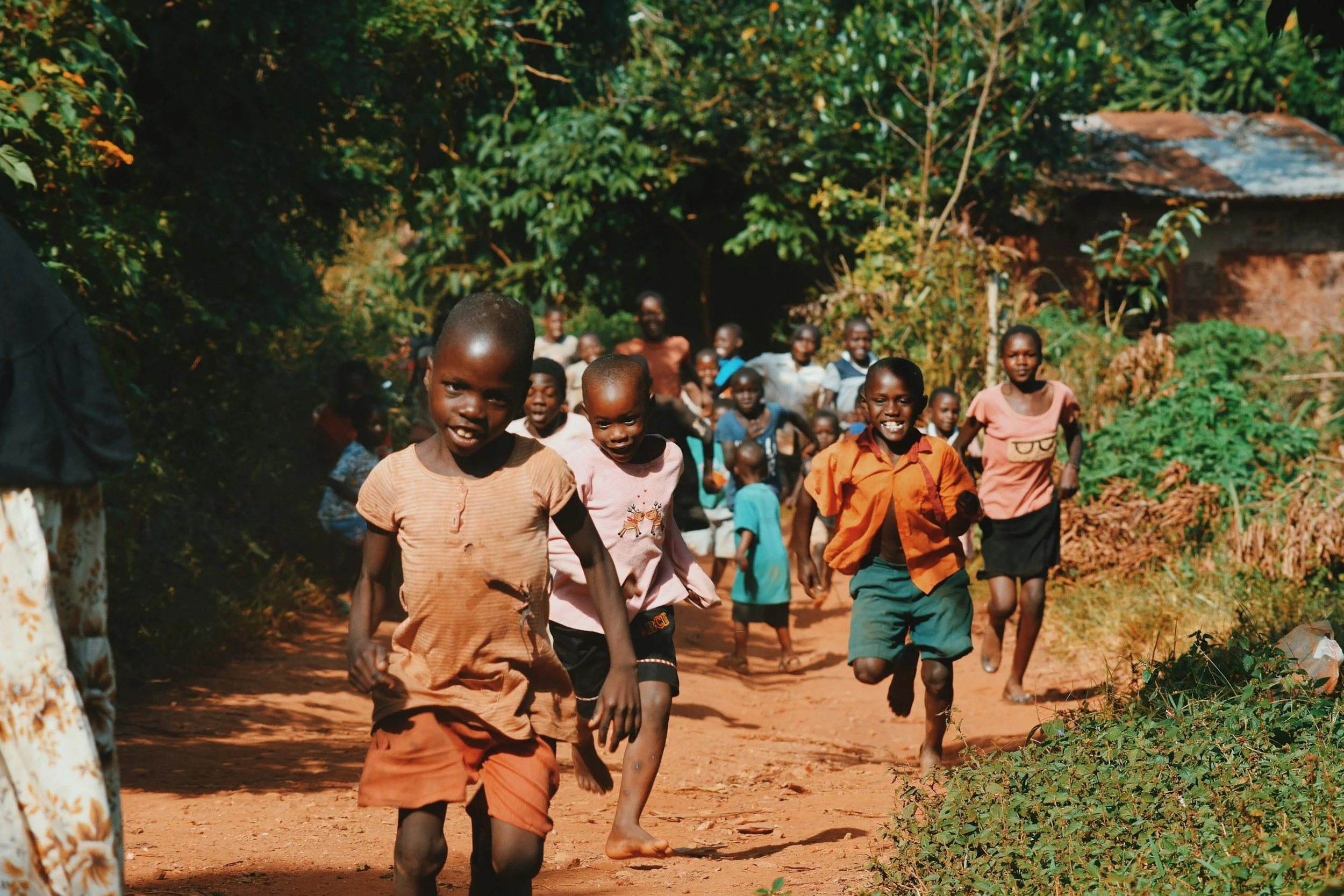
At Justice for Humanity, our mission is rooted in five core pillars that guide everything we do. These pillars—Humanitarian Aid, Social Advancement, Civic Responsibility, Good Governance, and Legal Advocacy—form a holistic approach to addressing injustice at every level.

Humanitarian Aid
We respond to urgent needs with compassion and care, providing food, medical supplies, housing support, and direct financial aid to individuals and families facing crisis. But for us, aid is more than charity, it’s a doorway to connection, restoration, and long-term transformation.

Social Advancement
True justice means people not only survive, but thrive. We invest in education, job training, mentorship, and leadership development to help individuals build stable, productive lives. By tackling the root causes of poverty and marginalization, we pave the way for brighter futures.

Legal Advocacy
For many, the justice system is a source of fear, not fairness. We stand in the gap by providing legal support to victims of injustice, offering counsel, advocacy, and representation when they have nowhere else to turn. Our goal is to uphold human dignity and ensure that justice is not reserved for the privileged few.

Strong communities are built on empathy, engagement, and shared responsibility. Through workshops, community events, and training programs, we empower people to care for their neighbors, lead with integrity, and contribute to the common good—starting from the ground up.
Civic Responsibility

Good Governance
We believe long-term change requires collaboration with those in power. By working alongside ethical government leaders and public institutions, we advocate for policy reform, transparency, and justice-driven systems that protect the vulnerable and promote lasting peace.
East Africa
Current Projects
Our vision is to see a stable and prosperous East Africa.
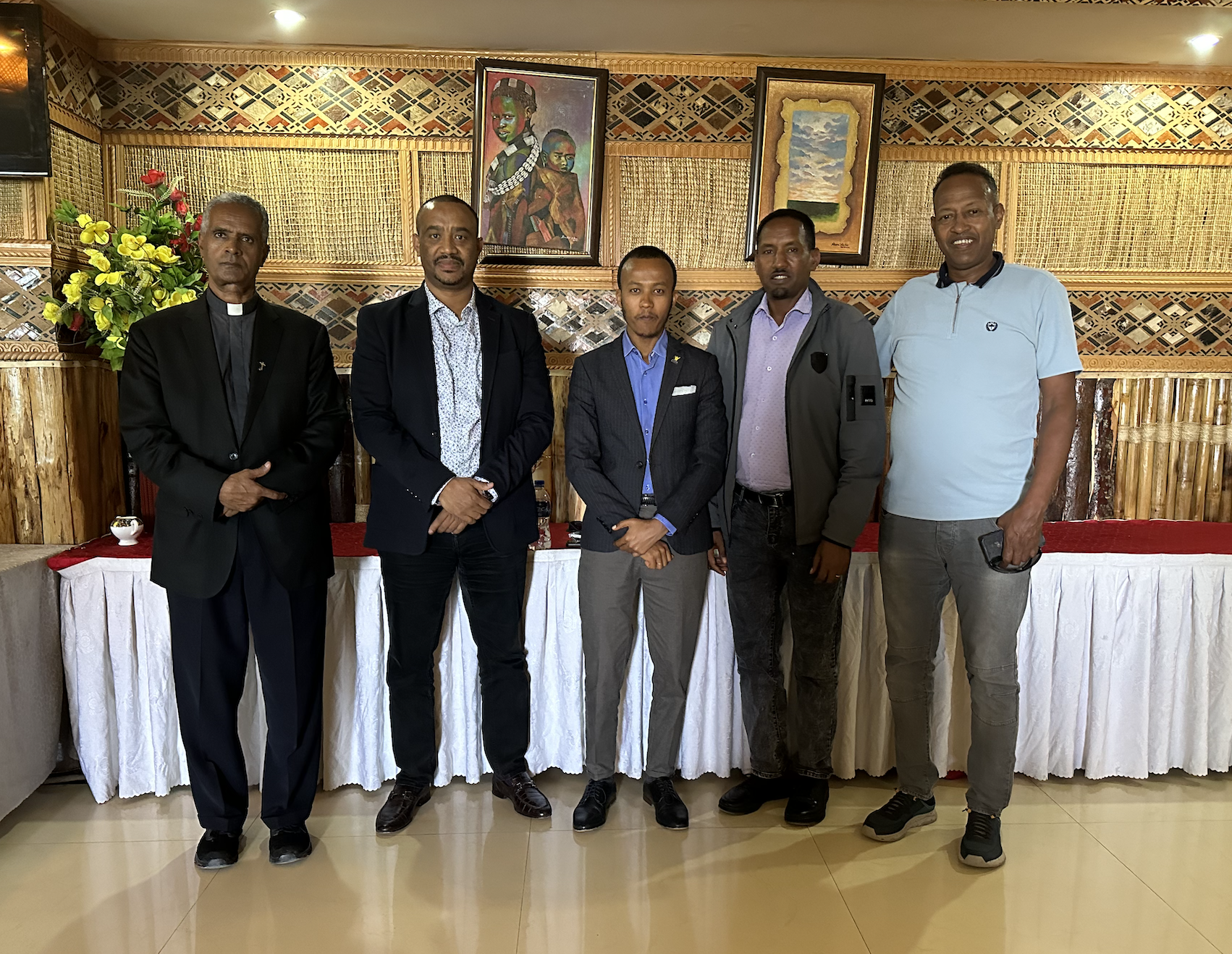
Our goal is to see lasting and permanent changes in Ethiopia and the rest of Africa, so we work hard to capacitate, teach and train the people already living in each country and creating partnerships with the international and local organizations who have similar visions empowering them to work together for the common good of their own society.
In this way, we create a legacy of advancement that will continue to benefit Ethiopia and other African countries for many generations to come.
Ethiopia
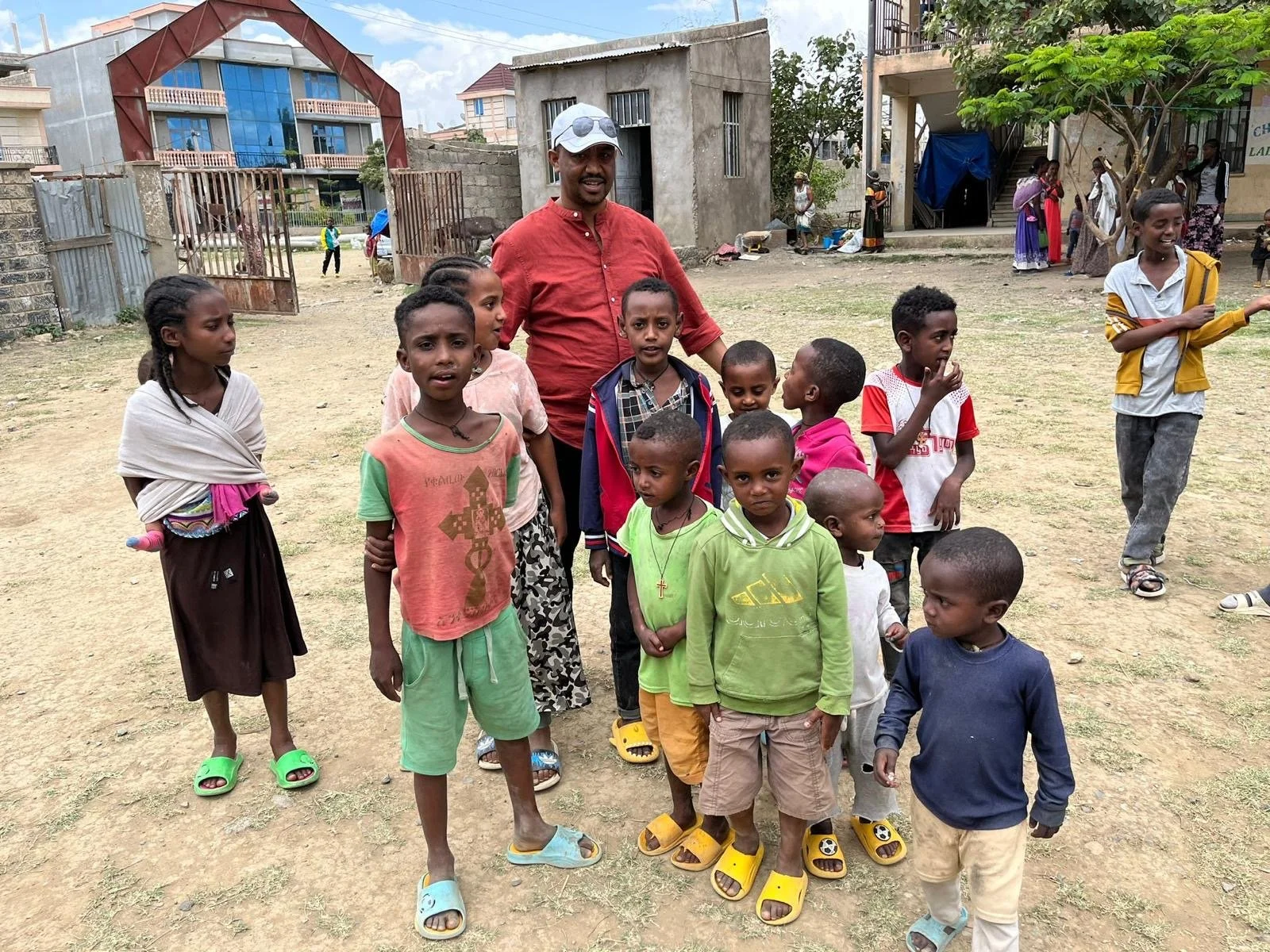
Justice for Humanity has been actively serving vulnerable communities in Ethiopia since its founding—providing humanitarian aid, leadership development, and support for people facing persecution, trauma, and severe economic challenges. When conflict erupted in Northern Ethiopia, the need grew dramatically. Entire communities in Tigray, Amhara, and Afar experienced violence, displacement, loss of income, and an alarming rise in gender-based violence.
In partnership with local government bureaus, JFH provided emergency cash assistance to GBV survivors, delivered essential supplies to internally displaced persons (IDP) centers, and offered support to hundreds of households left without basic necessities. But emergency aid is only the beginning.
JFH is committed to long-term recovery through three core interventions:
Psychosocial Support (PSS): Helping survivors heal from severe trauma through clinical care, community-based healing programs, and training for local counselors, psychologists, and spiritual leaders.
Economic Empowerment: Equipping families—especially women—to rebuild their lives through vocational training, startup support, and income-generating tools.
Peacebuilding & Community Restoration: Bringing communities together through dialogue forums, faith-based collaboration, and reconciliation efforts that foster lasting peace and social cohesion.
JFH also partners with and strengthens local civil society organizations, offering training, financial support, and capacity-building to expand sustainable impact across the region.
Together, these efforts aim to restore dignity, rebuild livelihoods, and support a peaceful, resilient future for the people of Northern Ethiopia.